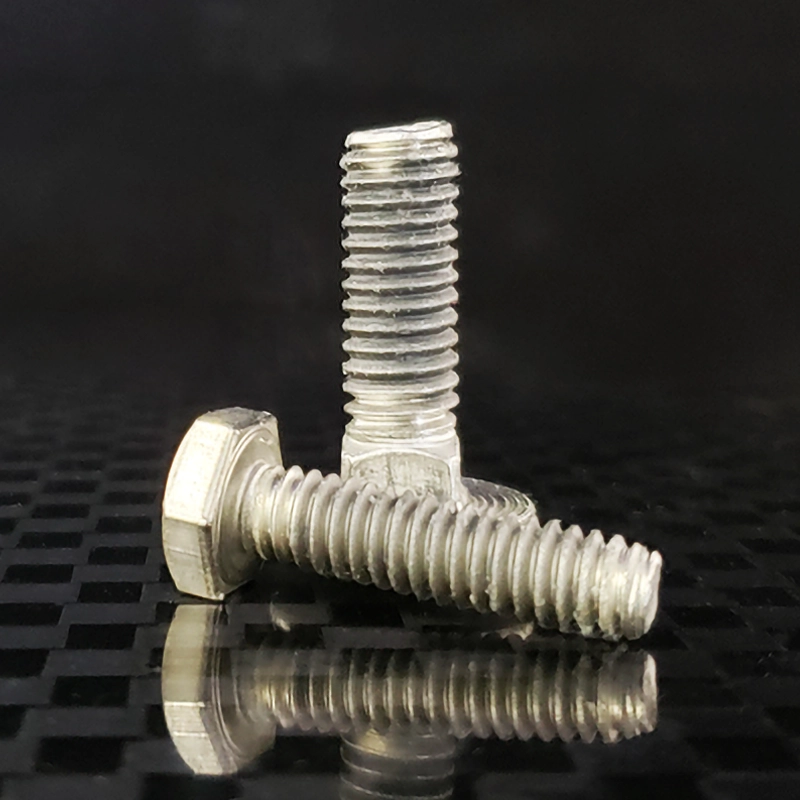
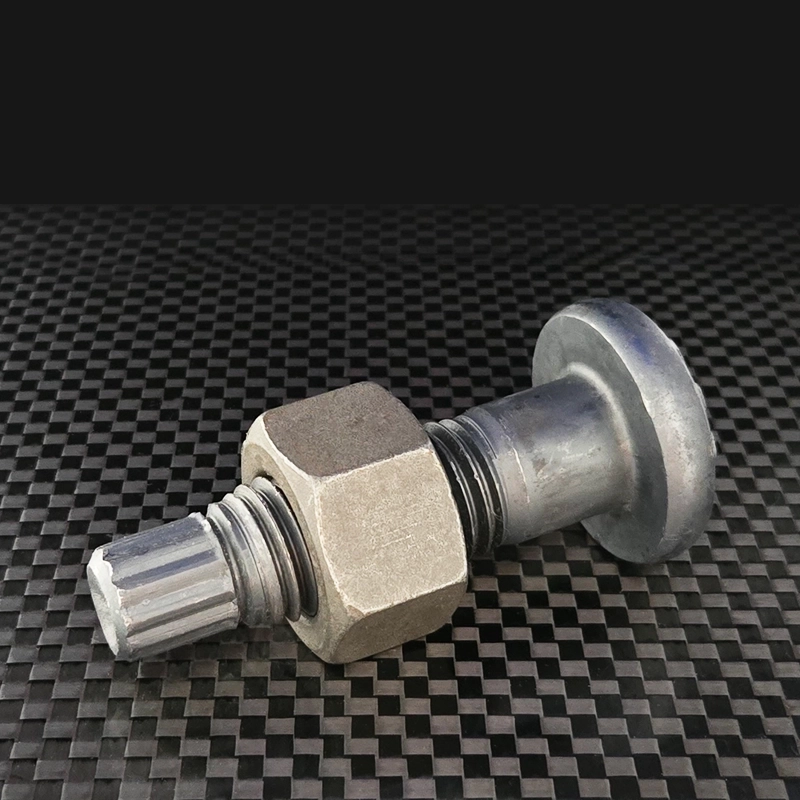
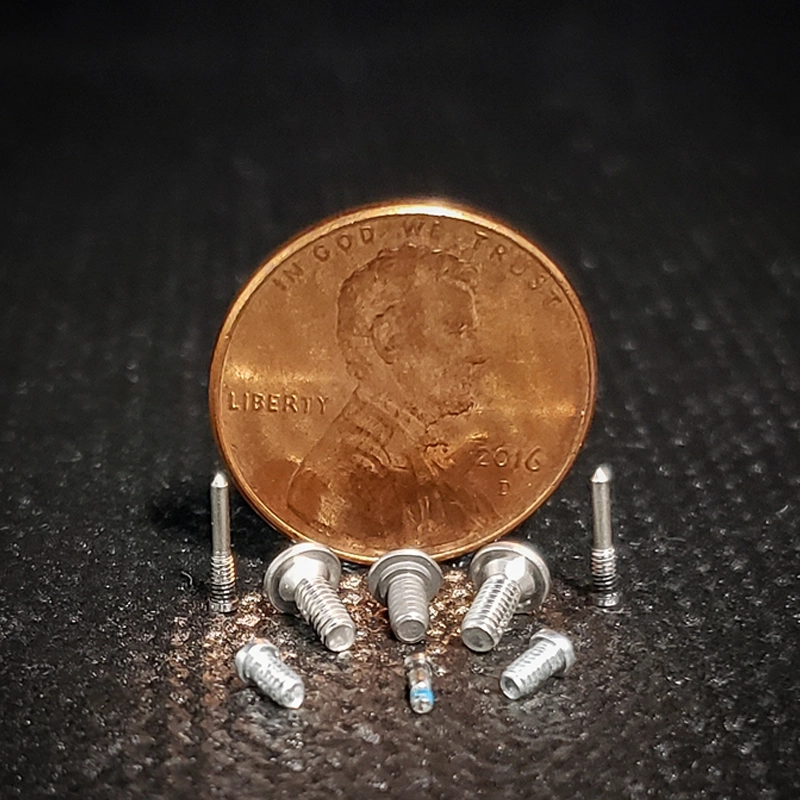
An anti-seize compound or thread lubricant is applied to fastener threads before assembly to prevent galling, seizing and corrosion. It helps keep fasteners serviceable, so they can be removed cleanly even after prolonged exposure to heat, load or corrosive conditions.
Galling is a form of adhesive wear in which mating thread surfaces tear and cold-weld together under pressure and friction. Stainless steel is especially prone to it because similar metals sliding against each other under load tend to transfer material. A lubricating or anti-seize layer between the threads reduces the metal-to-metal contact that causes galling.
They have opposite goals. A threadlocker keeps a fastener from loosening, while an anti-seize compound keeps a fastener from seizing so it can be removed later. If your joint must be serviced or disassembled, use anti-seize. If it must resist vibration and stay in place, use a threadlocker. See our Passive and Reactive Threadlockers categories for locking solutions.
Anti-seize is most valuable where fasteners are exposed to high heat, high loads or corrosion, where dissimilar metals are joined, and where fasteners are removed repeatedly. Common cases include stainless steel and aluminum fasteners, and steel fasteners in aluminum or other dissimilar-metal assemblies.
Yes, in most cases. Reduced friction means the same torque produces a higher clamp load, which can overload the fastener if you use a dry torque chart. There is no single reduction that fits every product, so validate the torque specification on your actual joint. Our engineering team can help you set it.
Tec-Eize is a thread lubricant and anti-seize compound. Tec-Slip Industrial Line and Precision Line are dry film lubricant coatings. Tec-Flon 600 Series offers high-temperature, chemically inert PFPE synthetic lubricants. The right choice depends on your fastener material, operating temperature, chemical exposure and how the part is assembled.
Looking for a solution? We can help.
Our experts are here to learn more about your need.