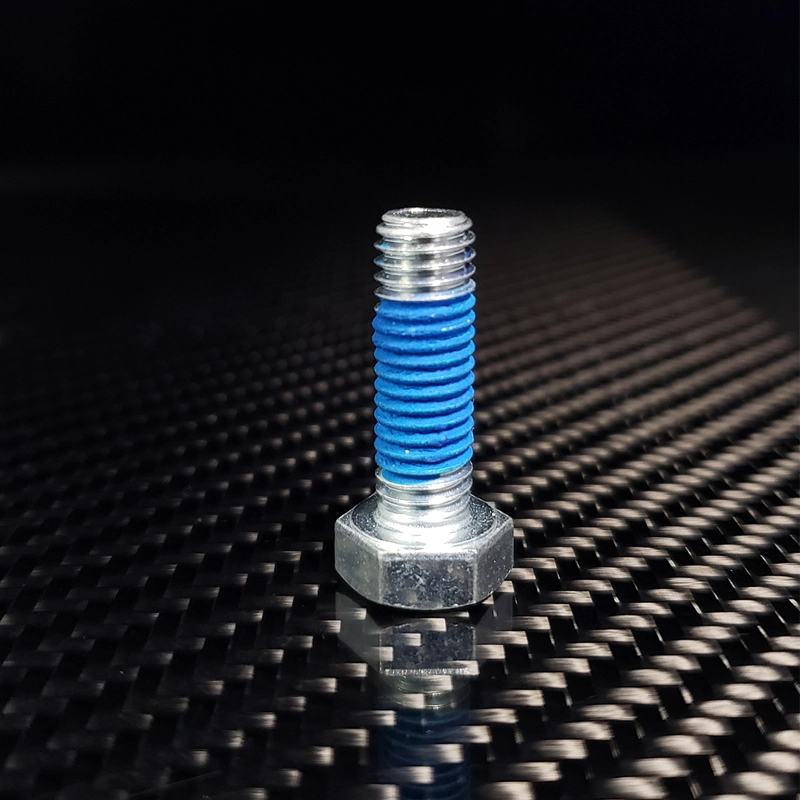
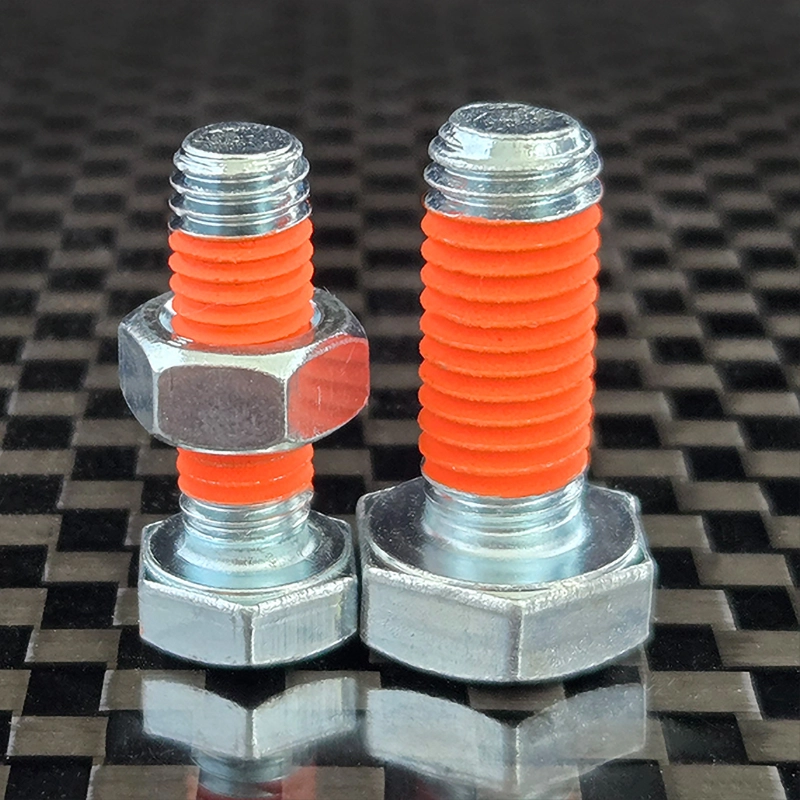
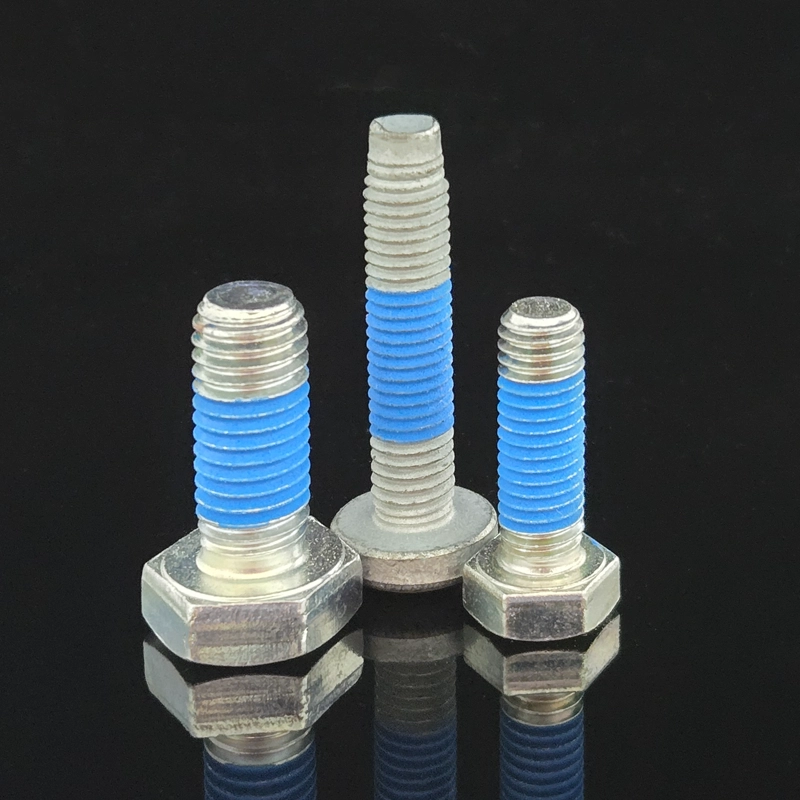
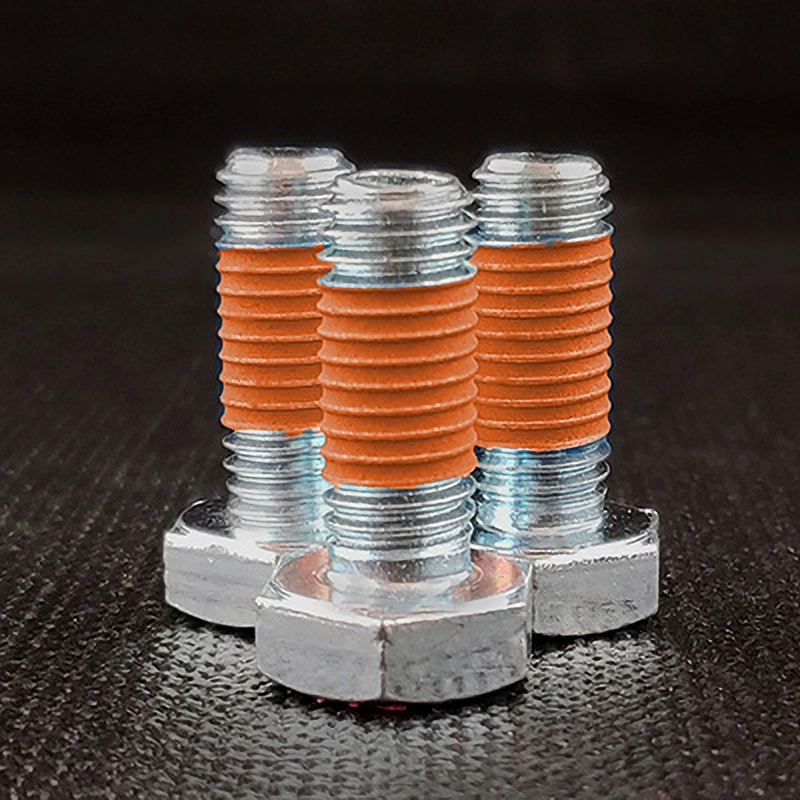
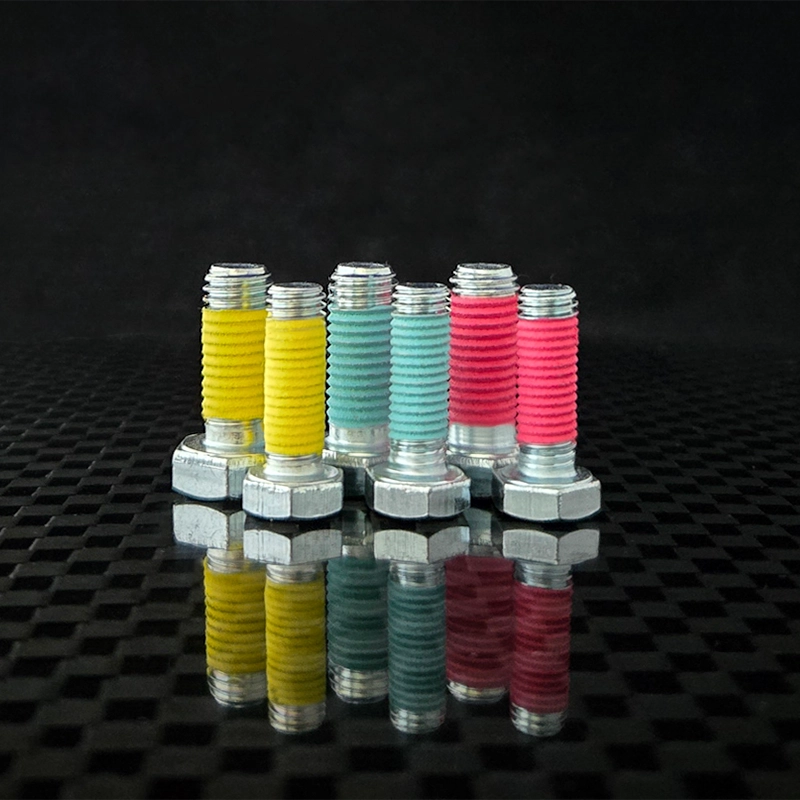
A reactive pre-applied threadlocker is a coating applied to fastener threads before assembly. It contains microencapsulated adhesive chemistry that stays dormant until the fastener is installed. Installation force ruptures the capsules, the reactive components combine, and the coating cures to lock the fastener in place.
Reactive threadlockers cure chemically during assembly and form a strong, semi-permanent bond for long-term retention. Passive threadlockers do not rely on a chemical cure. They resist loosening through a dry coating or patch, which generally makes adjustment and disassembly easier. Choose reactive when retention is the priority and passive when the joint will be serviced often.
No. The reactive components are separated inside the capsules, so there is no mixing, dispensing or open-time to manage on the assembly line. The coating is applied to the fasteners in advance and cures only after installation.
Curing happens in two stages. Fixture time is when the joint can be handled, and full cure is when it reaches maximum strength. Both depend on the grade, fastener material, temperature and thread clearance. Refer to the technical data sheet of each Tec-Bond grade for specific times.
Reactive threadlockers are designed for long-term retention, so the cured coating is not intended to be reused. After removal, the fastener should be cleaned and recoated or replaced. Removal torque depends on the grade. For joints that need frequent service, consider a passive threadlocker.
The difference is the carrier system used for coating application. Solvent-based grades such as Tec-Bond 235 and water-based grades such as Tec-Bond 240 and 261 are suited to different coating equipment, drying processes and environmental requirements. Contact our engineering team to match a grade to your coating line.
Looking for a solution? We can help.
Our experts are here to learn more about your need.