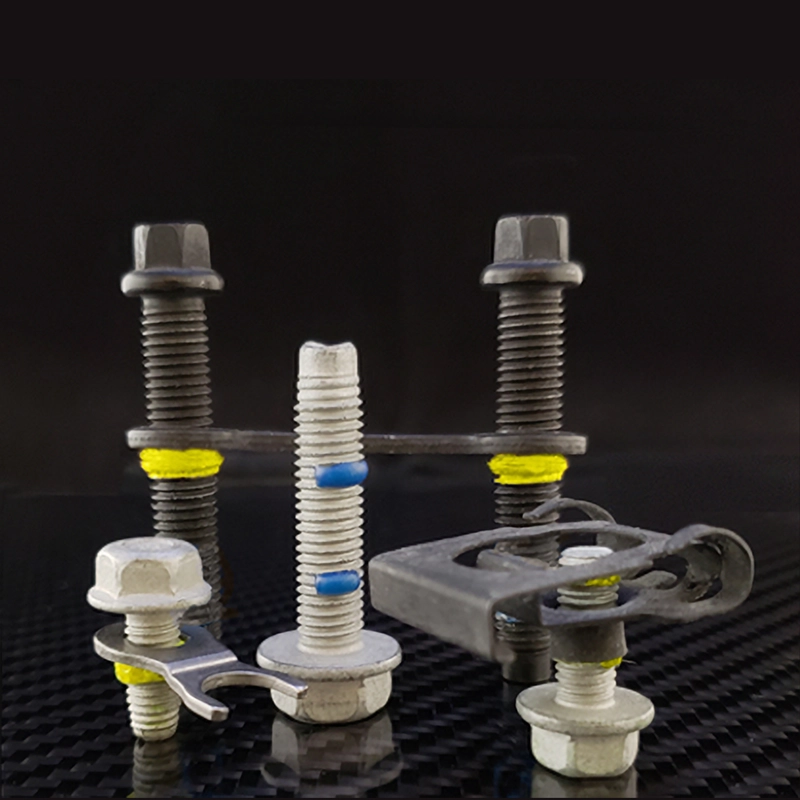
Tec-Stay products are pre-applied elastomeric retainer compounds designed to hold fasteners and components in place during transport and assembly. They reduce handling time, prevent part confusion, and improve assembly efficiency across automotive, industrial, and electronics applications.
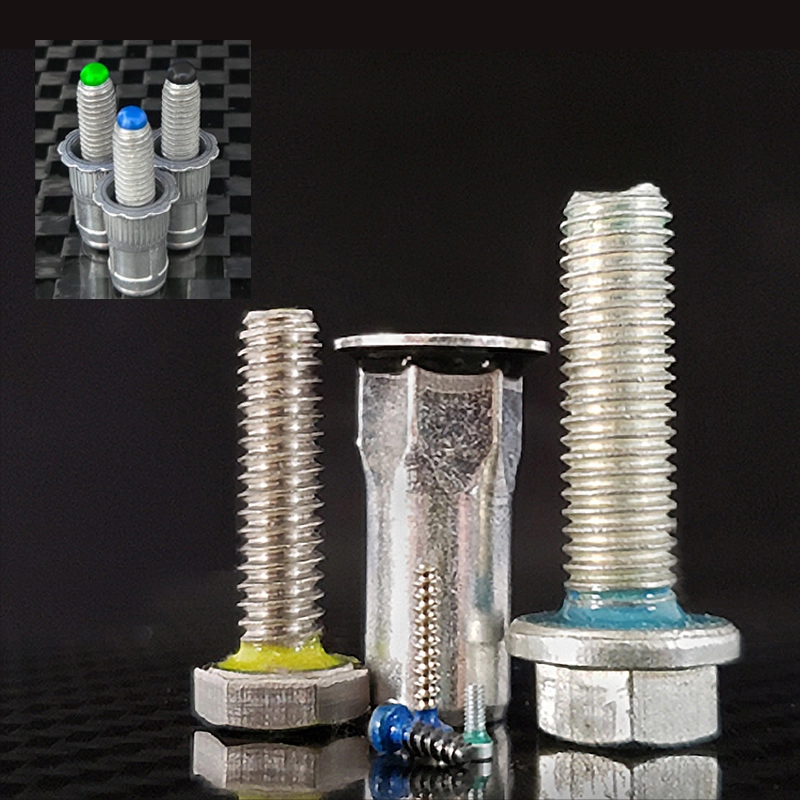
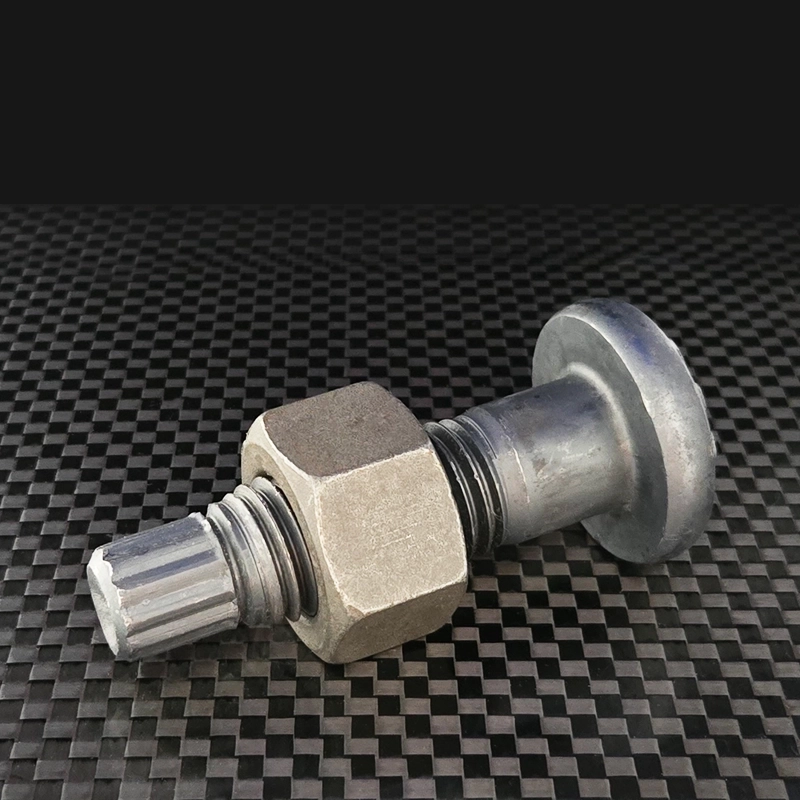
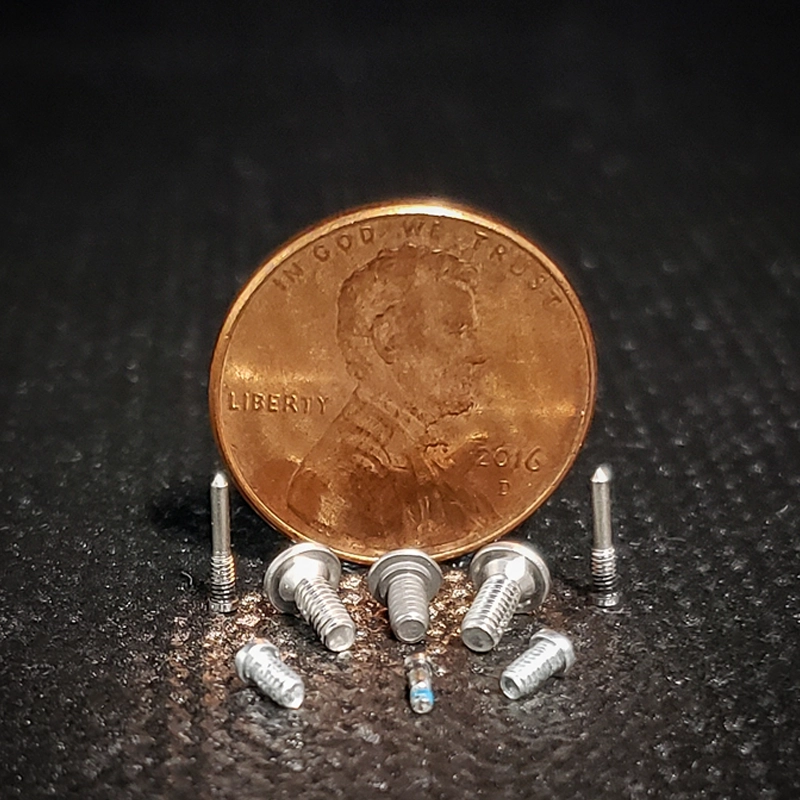
Tec-Stay compounds are applied directly to fasteners or components and cured in place, forming a durable elastomeric retainer that secures parts during transport and final assembly. Compatible with steel, aluminum, plastic, and other substrates, Tec-Stay™ supports washers, pins, rivets, bezels, clips, fasteners, and complex multi-component assemblies.
Tec-Stay™ formulations can be tailored for low-tack positioning, high-tack retention, or high-temperature environments, with both thermoset and thermoplastic chemistries available.
Available Chemistries:Thermoset; Thermoplastic (grade dependent)
Dual Reaction:Available in many select grades
Expansion:0–100% (grade dependent)
Final Elongation: Low / Medium / High (grade dependent)
Max. Service Temperature:Up to 400°F (204°C)(grade dependent)
Fluid Resistance:Resists oil, water, antifreeze, and gasoline (select grades)
Standard Colors:Blue, Amber, Tan, Yellow (grade dependent); custom colors available
Substrate Compatibility: Steel, aluminum, plastic, and most engineered surfaces
Performance, Advantages and Benefits
Streamlined Final Assembly: Tec-Stay™ retains single or multiple parts into a pre-configured sub-assembly, eliminating the need to stage, sort, or handle individual components at the point of installation and reducing line-side complexity.
Error-Proofing Through Color: Standard grade colors and custom color options allow production teams to visually verify correct part selection at a glance, reducing the risk of mixed parts in matched-component or kitted assemblies.
Broad Grade and Performance Range: With both thermoset and thermoplastic chemistries, expansion profiles from 0 to 100%, and elongation options from low to high, Tec-Stay™ can be matched to virtually any retention, sealing, or positioning requirement.
Automotive Fluid Resistance: Select grades are formulated to resist oil, water, antifreeze, and gasoline, making Tec-Stay™ suitable for under hood and fluid-exposed assembly environments without risk of softening or degradation.
High-Temperature Capability: Grades rated to 400°F (204°C) are available for applications in thermally demanding environments, including exhaust-adjacent and powertrain assembly locations.
Lower Total Assembly Cost: Pre-applied directly to the fastener or component, Tec-Stay™ eliminates the cost, handling, and inventory burden associated with bottled adhesives, die-cut foam elements, or molded plastic retainers.
What types of components can Tec-Stay™ be applied to?
Tec-Stay™ can be applied to fasteners, washers, pins, bezels, rivets, clips, and virtually any component configuration. It adheres to steel, aluminum, plastic, and most engineered substrates without primer on standard surfaces.
What is the difference between thermoset and thermoplastic grades?
Thermoset grades (528, 571, 572, 592) cure permanently and cannot be remelted, offering high durability and fluid resistance. The thermoplastic grade (570) does not undergo dual reaction and has zero expansion, making it suited for clamp and fastener applications where flexibility and repositionability are preferred.
Can Tec-Stay™ withstand automotive fluids?
Yes. Select grades within the Tec-Stay™ family are formulated to resist oil, water, antifreeze, and gasoline. These grades are unaffected by fluid exposure during normal automotive service conditions.
Are custom colors available?
Yes. In addition to standard grade colors (blue, amber, tan, yellow),custom colors can be specified to support part identification, color-coding systems, or production inspection requirements.
How does Tec-Stay™ compare in cost to molded or die-cut retainers?
Tec-Stay™ is typically less expensive than bottled adhesives, die-cut foam elements, or molded plastic retaining components on a per-assembly basis, while also reducing handling steps and line-side inventory requirements.
.png)



.svg)